

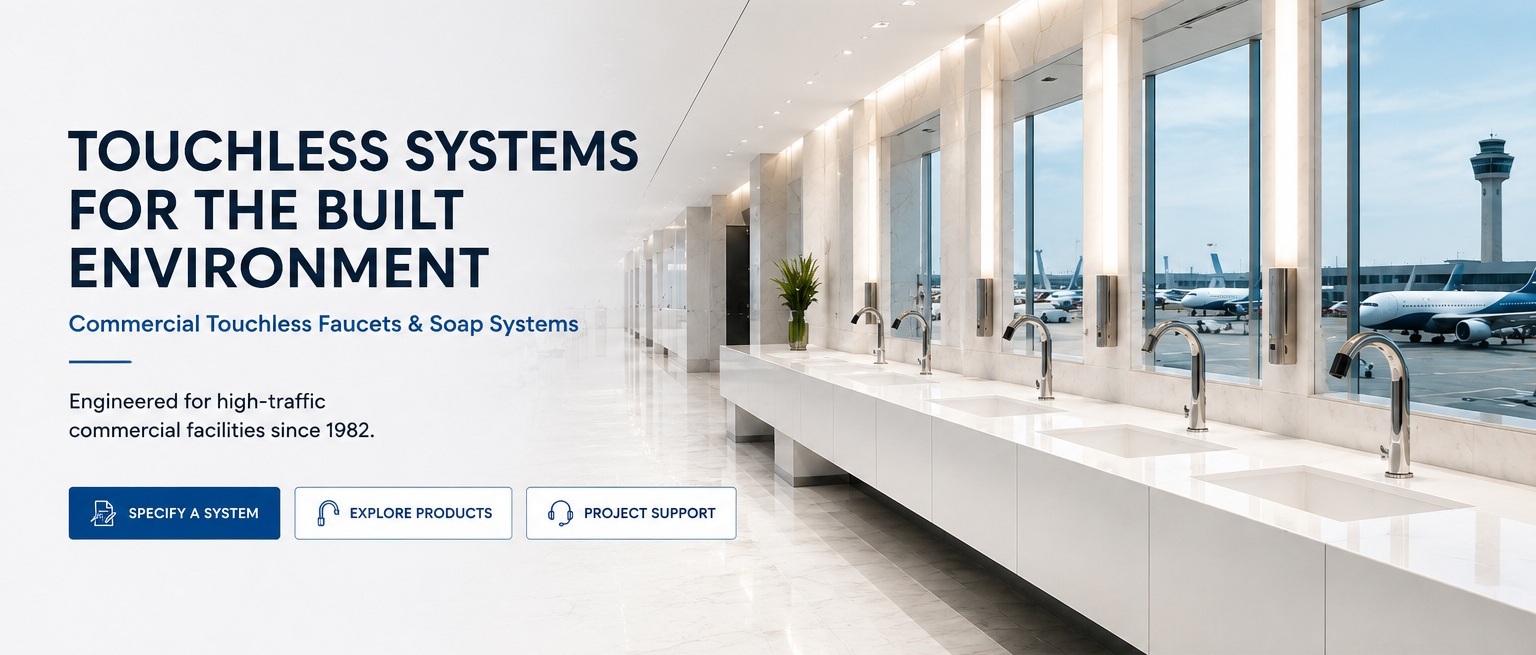
Commercial Touchless Faucets & Sensor Soap SystemsSince 1982, FontanaTouchless® has focused on engineered touchless water systems. As the hands-free technology division of FontanaShowers®, it is focused exclusively on commercial touchless faucets and automated soap delivery for public and commercial restrooms. Systems are developed for predictable performance under continuous use—where detection stability, service continuity, and lifecycle value matter. 40+ YearsTouchless water-system engineering and commercial restroom experience.
AEC SpecificationSupporting architects, engineers, contractors and project teams.
High-Traffic FacilitiesAirports, stadiums, healthcare, hospitality, education and public venues.
Project SupportSpecification, BIM, technical review and lifecycle service guidance.
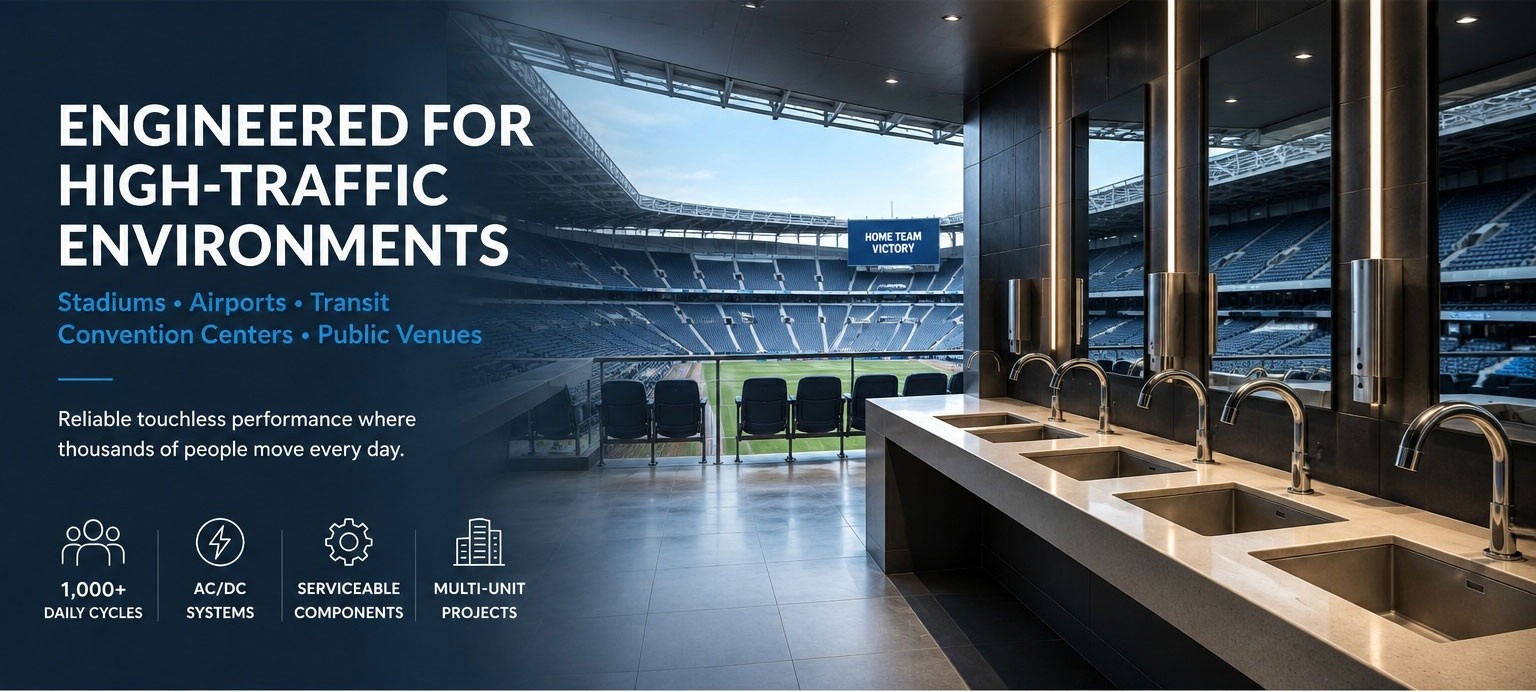
Large Venues & Public Infrastructure
Commercial Solutions ’
Stadiums · Airports · Transit · Convention Centers · Public Facilities AEC & Project Authority
Specified Across Major Commercial ProjectsFontana Touchless supports architects, engineers, contractors, developers, and facility teams with commercial touchless faucet and soap systems for airports, stadiums, healthcare, hospitality, universities, and public facilities. Leading Architecture FirmsGensler · AECOM · Jacobs · HDR · Perkins&Will · HOK · ZGF · SOM · DLR Group · HKS Documented Project ReferencesSelected references include airport, stadium, healthcare, laboratory, civic, and high-rise projects. View Project RecordsArchitectural Specification & Project Record
Trusted Across Architecture, Engineering & Major Commercial ProjectsFontana Touchless supports architects, engineers, contractors, distributors and facility teams specifying touchless water and soap systems for high-demand commercial environments. Documented project records and long-standing AEC relationships are maintained on the site for professional review. Leading Architecture & Design FirmsSelected Project References
Additional architecture-firm relationships, contractors, distributors and project references remain documented in the professional records and authority resources on this page.
AEC Project Records ’
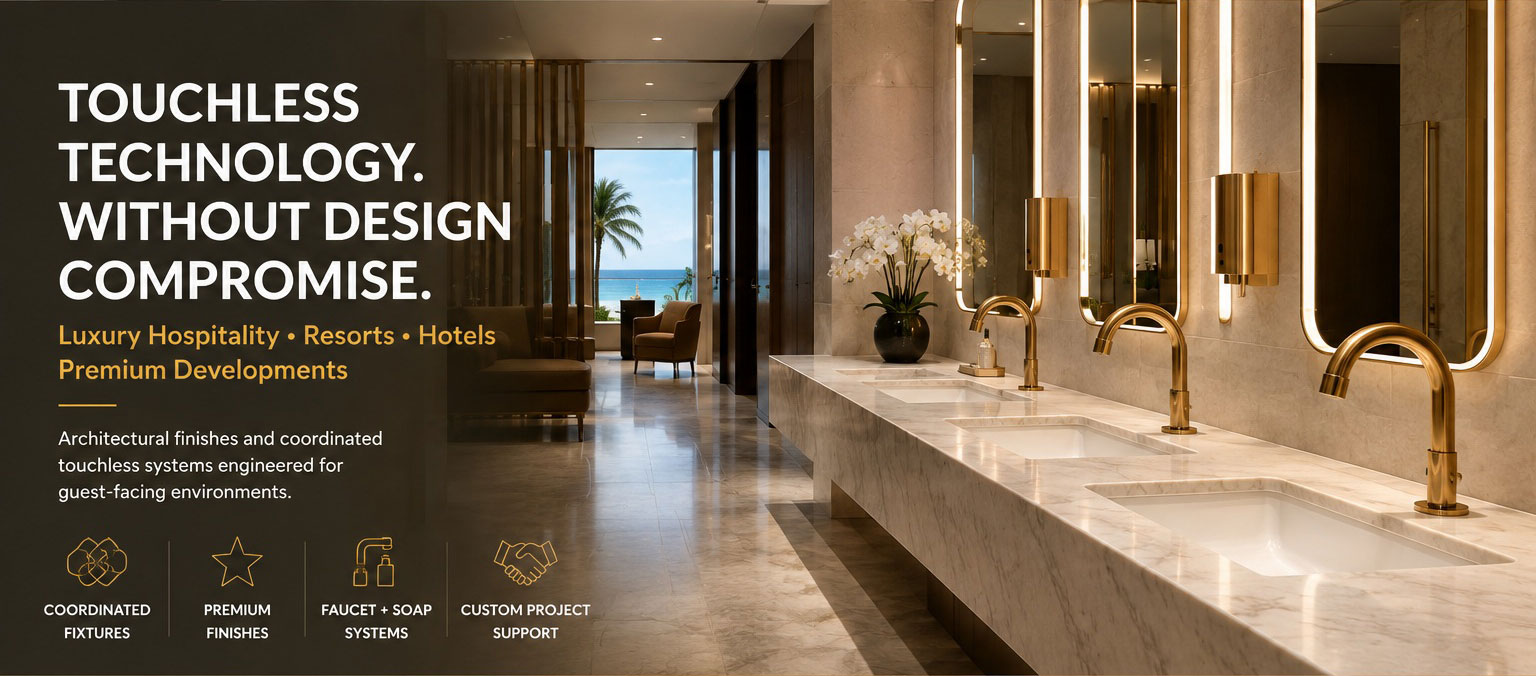
Luxury Hospitality & Premium Developments
Architectural Models ’
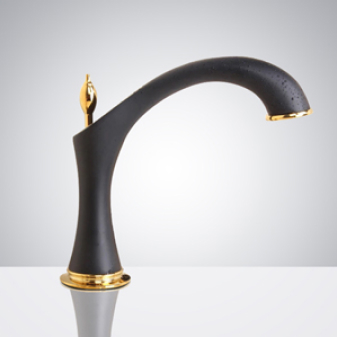
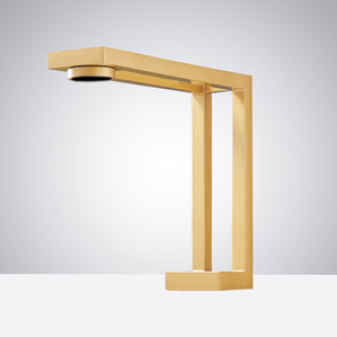
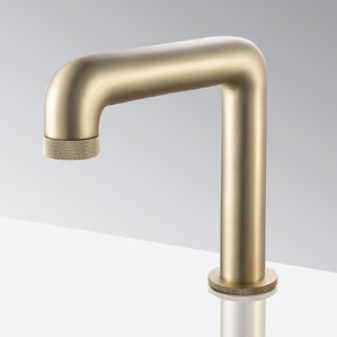
Coordinated touchless fixtures, architectural finishes and project support. Featured Commercial Touchless Faucets
High-Traffic Restrooms
Stable Detection
Water Control
Lifecycle Value
Touchless features improve hygiene in public restrooms by reducing shared contact points while supporting a cleaner wash area through hands-free activation and shutoff. Our sensor faucets are widely used in commercial lavatories and public facilities where reliability, user satisfaction, and water control must remain predictable under continuous use. Read More
Detection Pathway
IR for proven installs; ToF for reduced false activation in busy zones.
Power Strategy
AC for continuous service, battery for retrofit, hybrid for continuity.
Serviceability
Plan access, cleaning, and aerator maintenance to reduce downtime.

Quick Spec Checklist
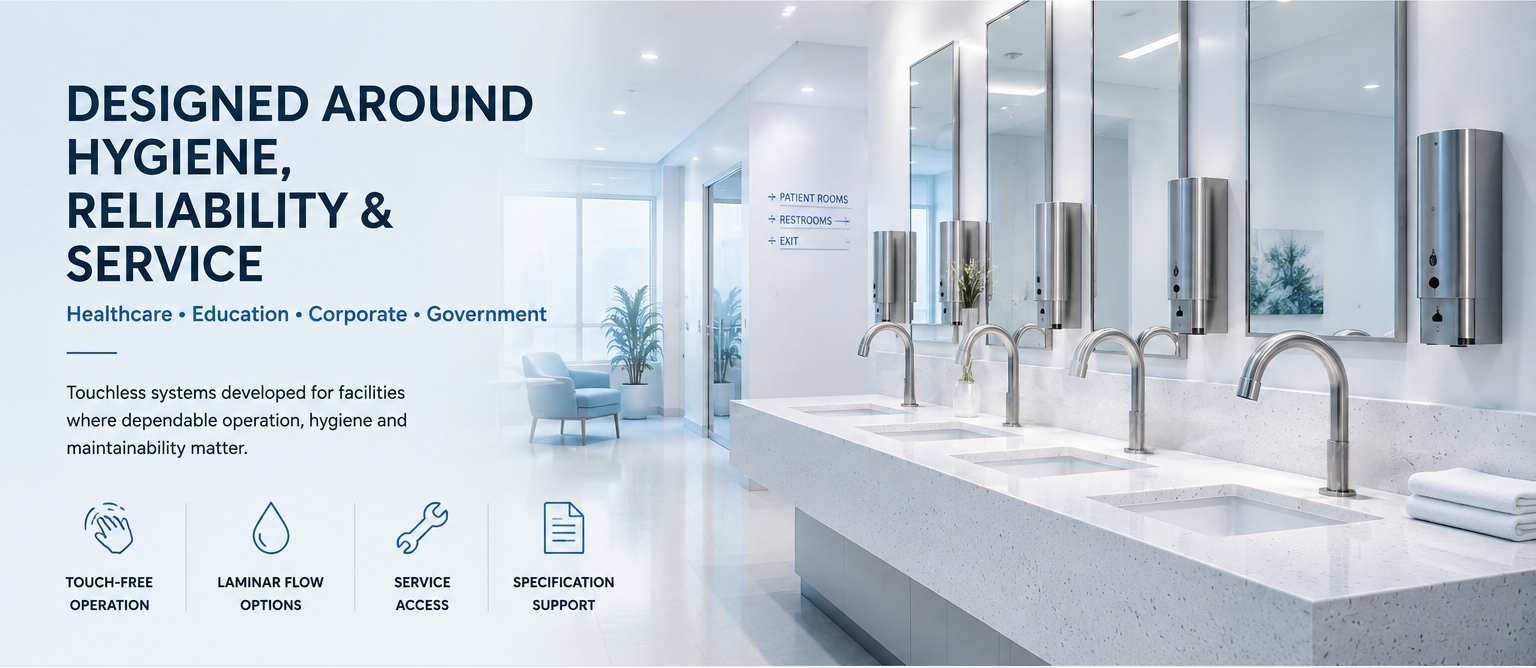
Healthcare & Institutional Facilities
ADA & Compliance ’
Touch-free operation, service access and specification support for demanding shared environments. CLIENTS WE SERVETRUSTEDWe are proud to work with an extensive commercial clientele—projects where dependable touchless operation, durability, and predictable performance are non-negotiable. 









Verified AEC relationships and project usage are reflected in the authority section below. 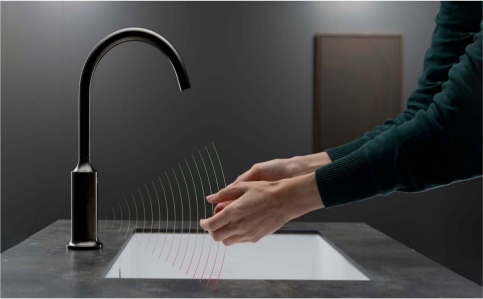
GET IN TOUCHSIGN UP FOR ARTICLES & NEWS
You’ll receive spec-oriented updates on sensor selection, power strategy, maintenance pathways, and finish scheduling.
WHY TOUCHLESS FAUCETS?PERFORMANCE FEATURESBuilt to handle the rush: touchless faucets for high-traffic excellence—stable detection, dependable shutoff timing, and maintenance-aware design for real-world restroom conditions. Spec tip: reduce false activation see (IR vs ToF). OUR COLLECTIONPRODUCTSFor a clean, comfortable restroom experience in public spaces, explore precision sensor faucets and automated soap systems. Built for high-traffic facilities that require dependable activation, controlled flow, and maintenance-aware design. 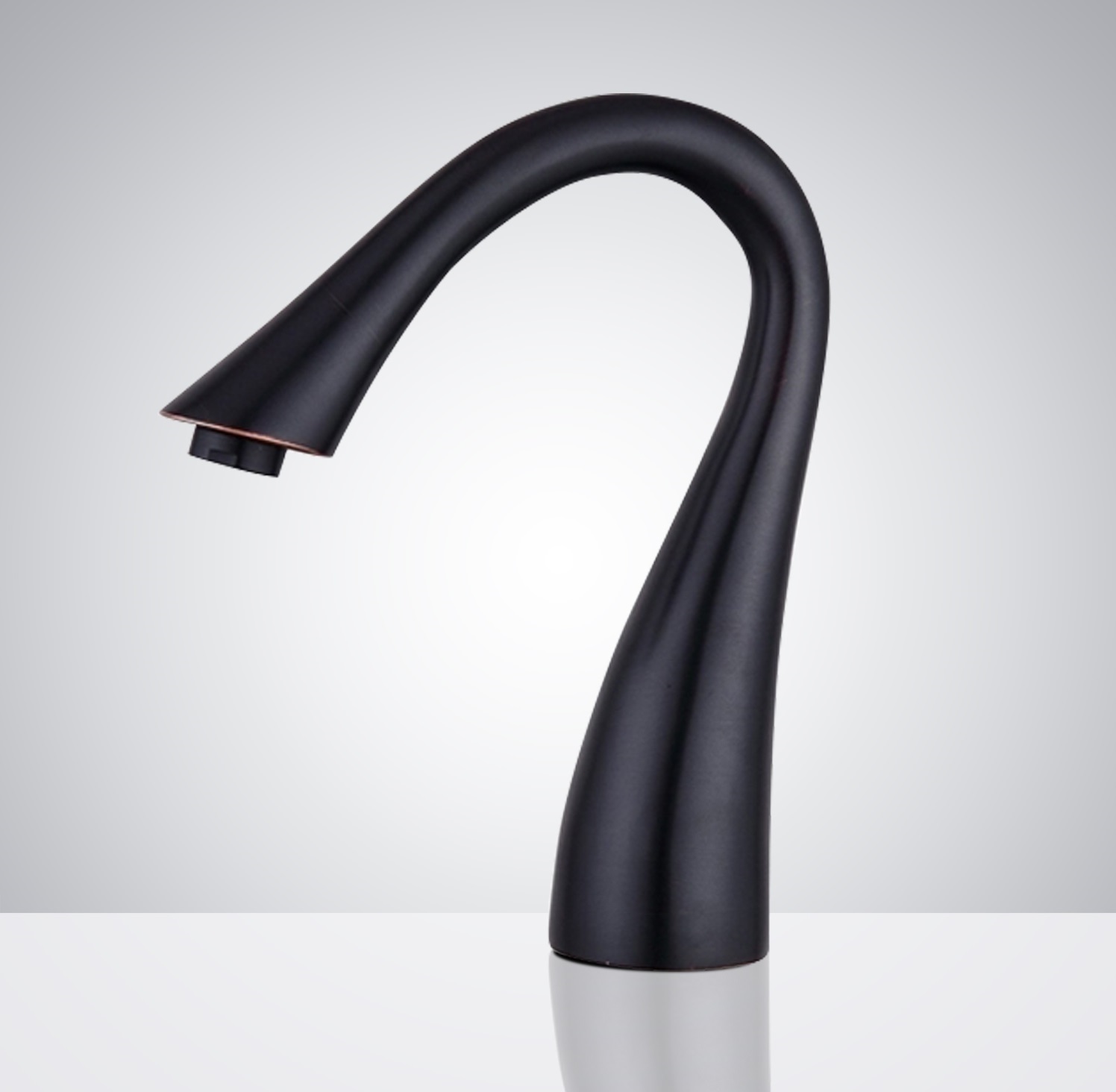
FONTANA
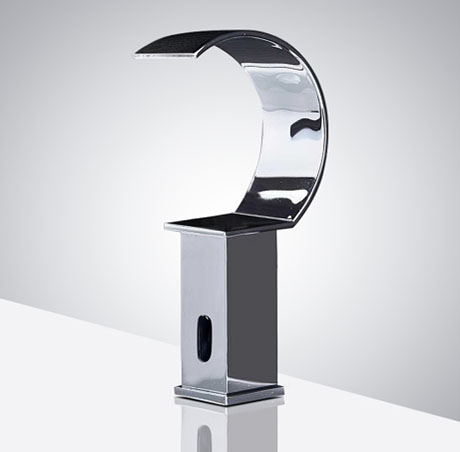
FONTANA
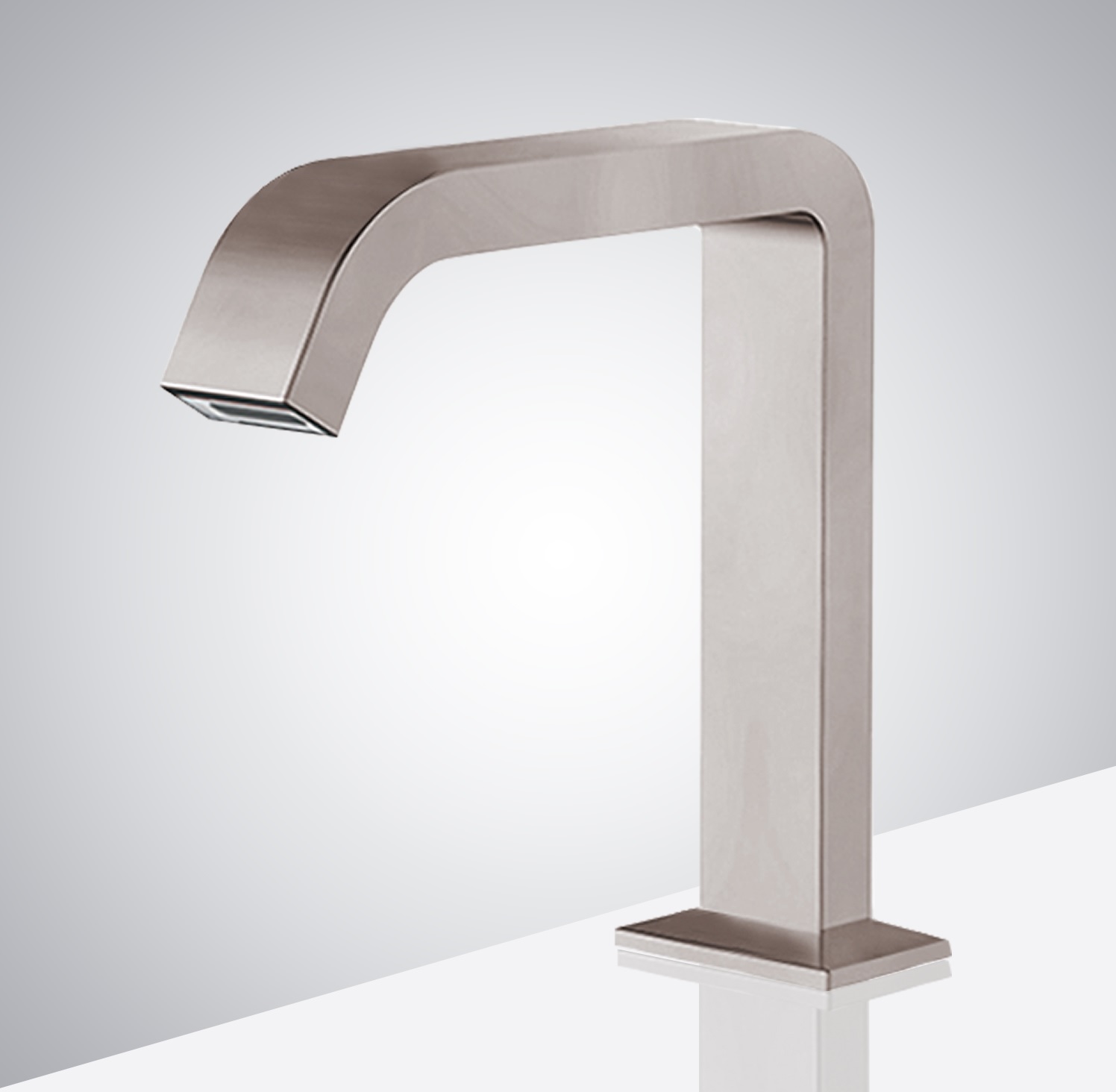
FONTANA
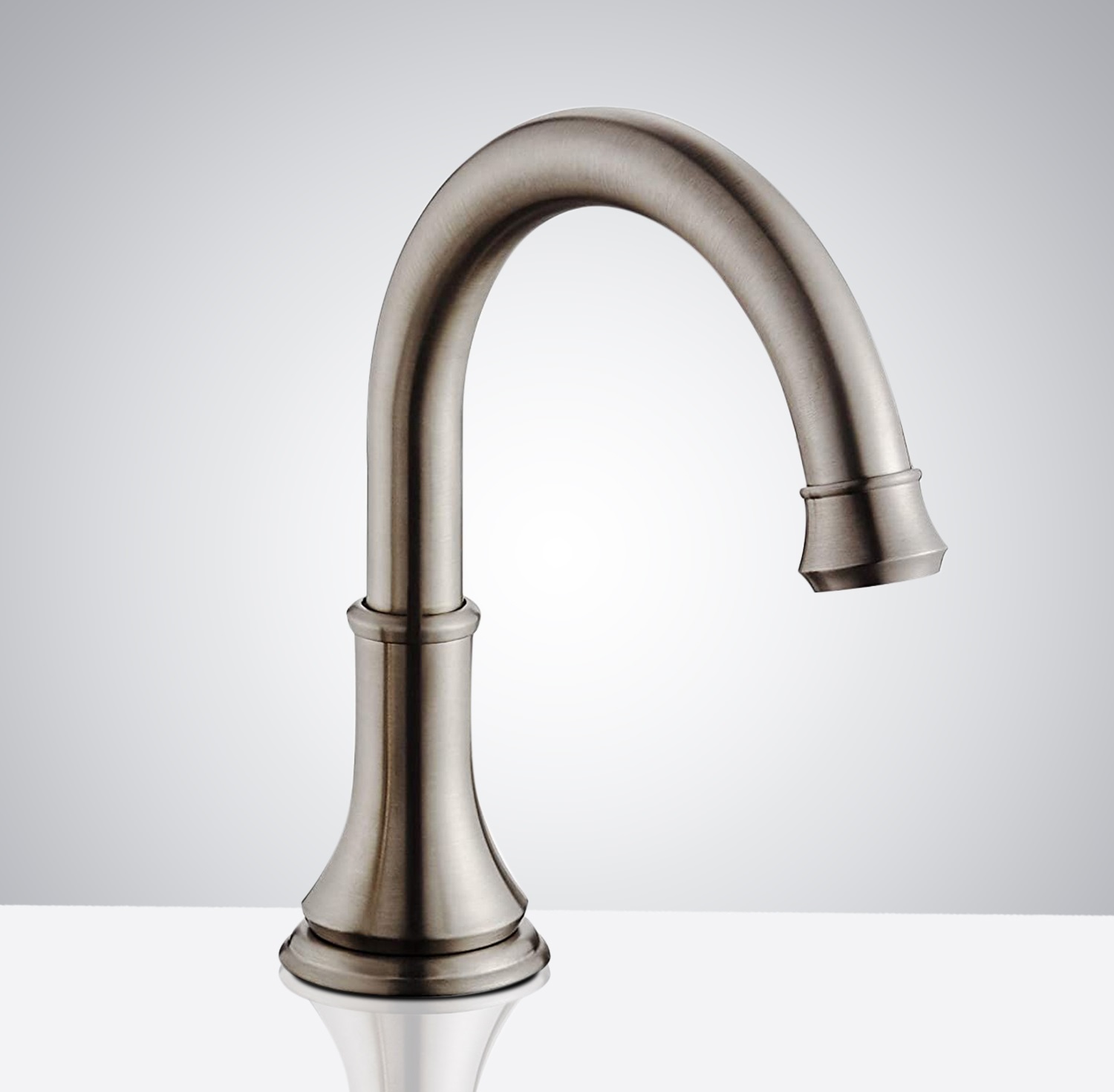
FONTANA
FONTANA
FONTANA
FONTANA
FONTANA
FONTANA
FONTANA
FONTANA
FONTANA
Engineering & Specification
Technical Support Beyond Product SelectionSensor strategy, power planning, ADA and compliance resources, flow control, commissioning and maintenance pathways are carried through the technical reference sections below. Hygiene Innovation — Discover Fontana ExcellenceFor spaces prioritizing touch-free interaction, a motion detector faucet is a proven solution. Our commercial systems use sensing pathways designed to detect hands reliably so water flows only when needed—supporting hygiene and water control in public environments. Read MoreTip: aim for reliable user detection with reduced false activation, plan for service access, and route users to the correct category intent page. 
Professional Reference
From Specification to Long-Term Facility OperationContinue into the technical reference, project records, AEC relationships, diagnostic guidance and commercial specification resources below. What are the key technical features when selecting a touchless soap dispenser for high-traffic restaurant restrooms? Explore commercial dispensers made in the USA, including stainless steel models and heavy duty commercial units appropriate for rigorous environments. For spec-grade routing, pair faucet selection with soap delivery strategy to reduce refills, improve consistency, and support hygiene protocols. Technical & Specification ResourcesExplore compliance, troubleshooting, and commercial buyer resources for specifying touchless faucets and automatic soap dispensers in high-traffic public restrooms, healthcare facilities, restaurants, and commercial projects. ADA & Compliance SupportTroubleshooting & Technical GuidesCommercial Buyer Resources
Commercial Performance SnapshotThese figures represent common engineering ranges used for commercial evaluation. Exact approved values must be confirmed for the individual faucet model.
Professional Diagnostic SequenceTesting should follow the operating path of the faucet. Skipping directly to component replacement can conceal installation, pressure, wiring, or contamination problems.
Technical Problem Reference
Hydraulic Pressure ReferenceCommercial faucet pressure must be evaluated under both static and flowing conditions. A normal closed-system reading does not confirm adequate operating pressure.
Activation-Based Service-Life ReferenceThe table converts representative activation and cycle ratings into estimated operating periods. Actual service life depends on traffic, false triggers, pressure, water quality, temperature, and maintenance.
Estimates assume one valve cycle for every activation and daily operation throughout the year. Repeated sensing, purge programming, or false activations increase the effective cycle count. Recommended Field RecordRecording commissioning values creates a baseline that can later be used to identify performance drift, restriction, sensor changes, or abnormal component wear.
Professional ResourcesTechnical evaluation should include the exact product documentation along with applicable accessibility, water-efficiency, installation, and plumbing requirements.
Technical Specification Notice
Values shown are representative commercial engineering references. Detection range, response time, voltage, pressure limits, temperature range, flow rate, battery activation count, solenoid cycle rating, and enclosure protection must be verified using the approved technical documentation for the exact model being installed or serviced.
Top Contractors Working with Us
Our Reliable Network of DistributorsOur products are supported through a broad distribution network that helps ensure availability, delivery, and technical access for commercial projects.
More InformationTo explore the broader parent brand portfolio and related commercial resources:
|
|
.jpg)
.jpg)
.jpg)